
Our Houses
In Saving Country Houses we are visiting nine stunning properties across the UK, many of which are open to the public. More information on each house below and there’s a link to each house’s website by clicking on the image.
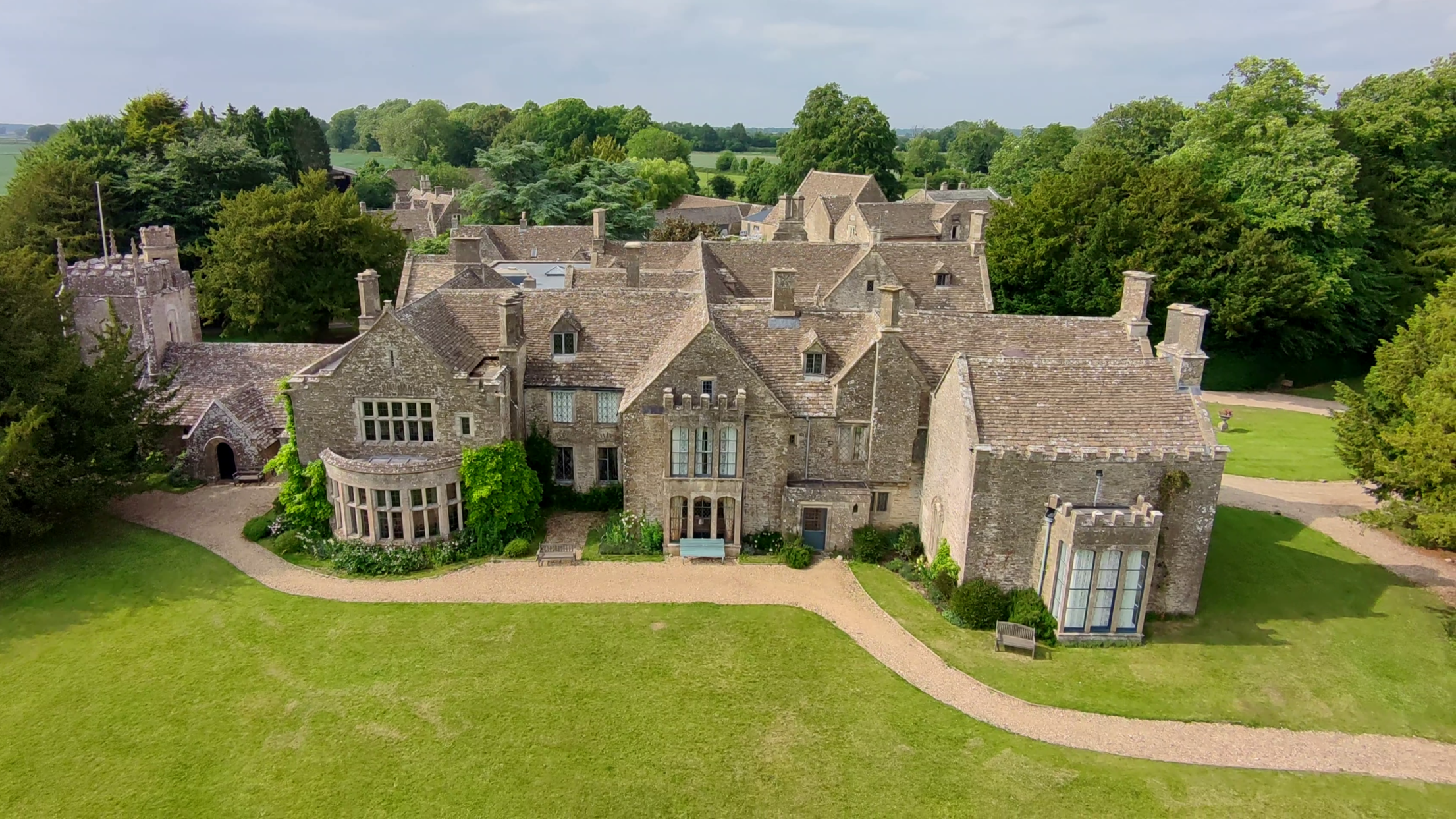
Chavenage House
Chavenage in Gloucestershire is home to James and Emma Lowsley-Williams and James’s extended family. At the heart of the 2,000 acre estate is a magnificent 500-year-old Elizabethan Manor.
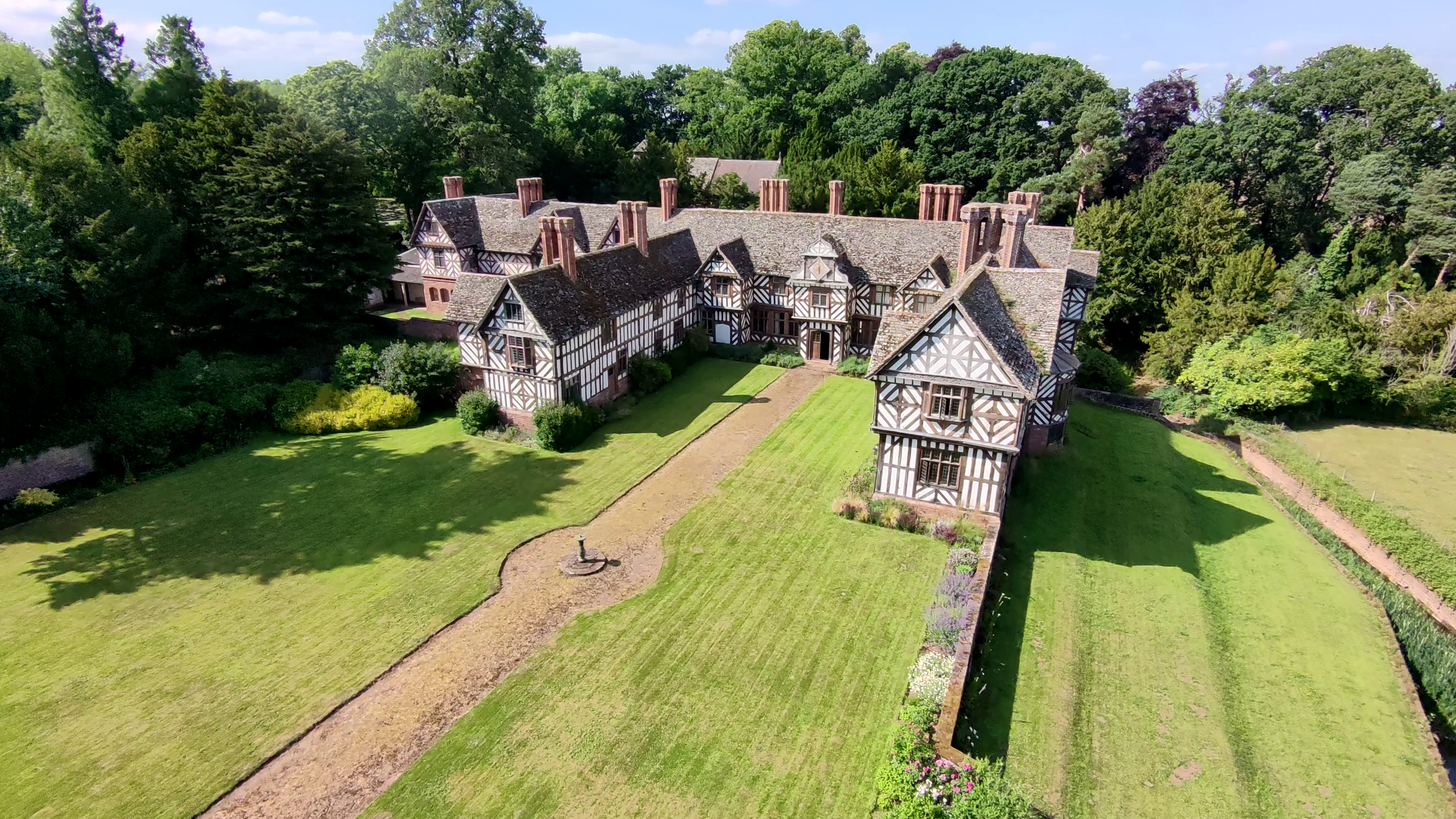
Pitchford Hall
Shropshire’s Pitchford Hall is Grade 1 listed and one of England's finest Elizabethan half timbered houses, and the first record of the estate is in the Domesday Book. It is owned by Rowena Colthurst and her husband James Nason.
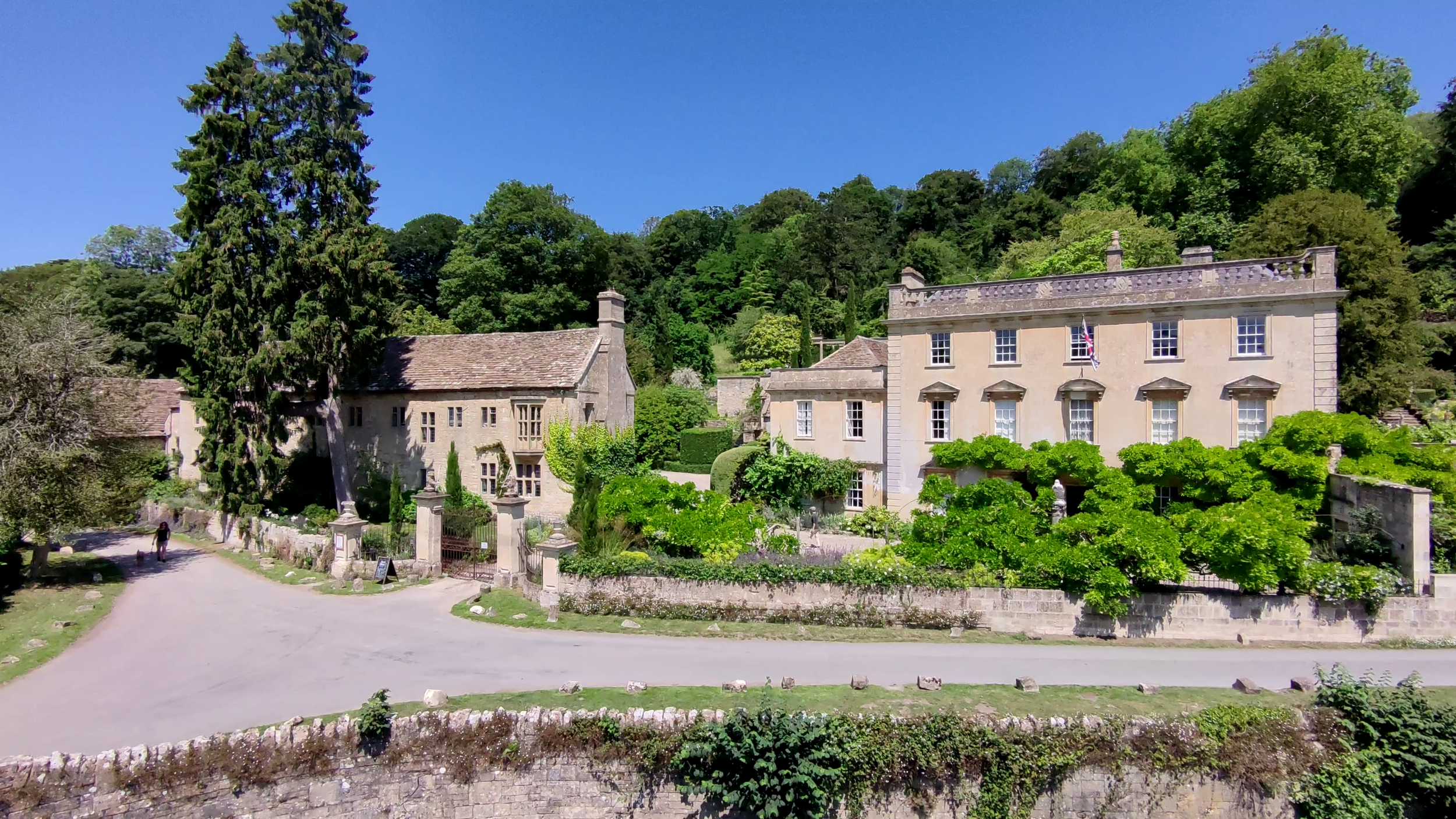
Iford Manor
Iford’s Grade 1 registered gardens are unlike any other with their romantic design and architecture, combining formality with nature. Iford Manor and gardens belong to William and Marianne Cartwright-Hignett.
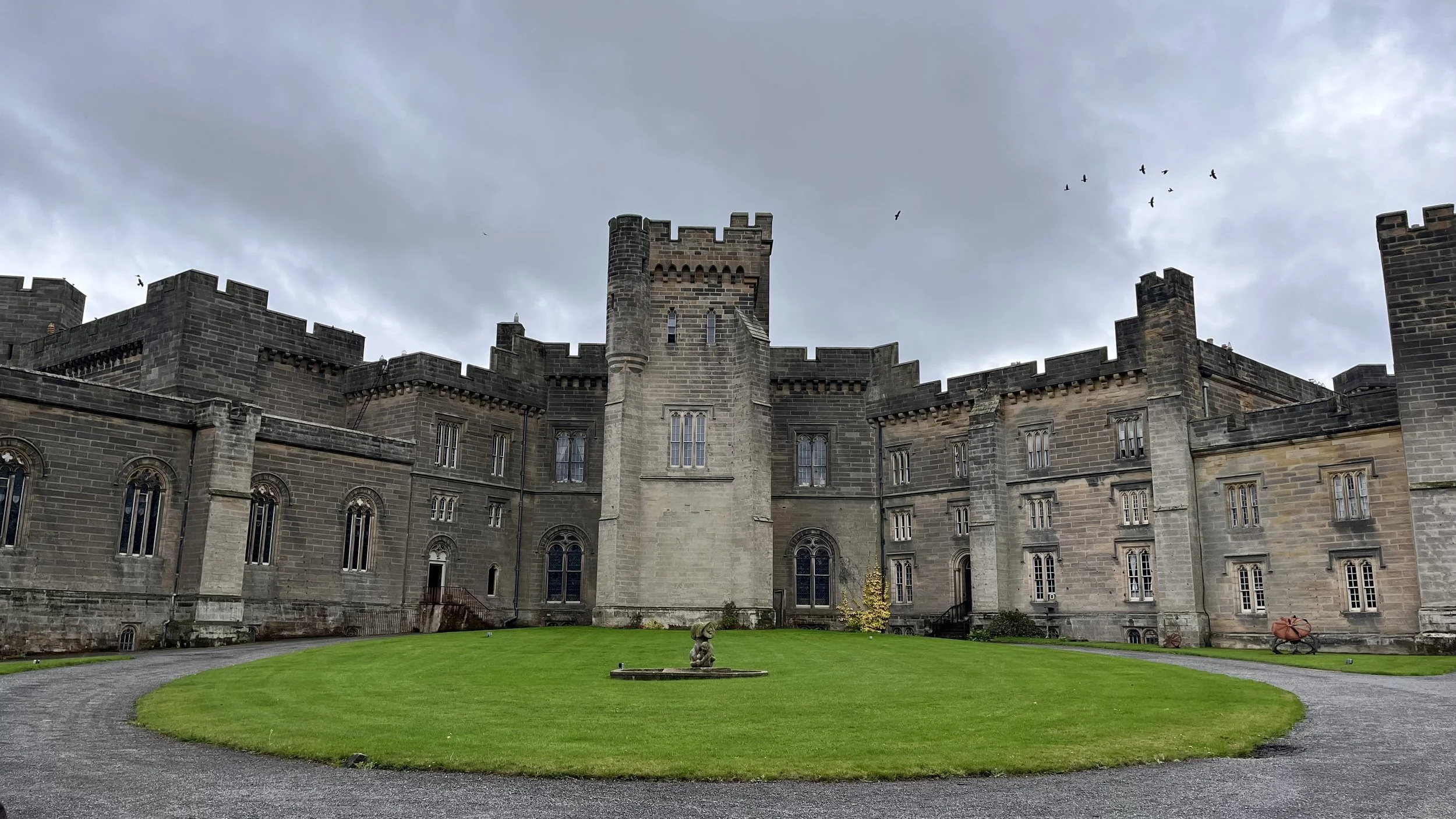
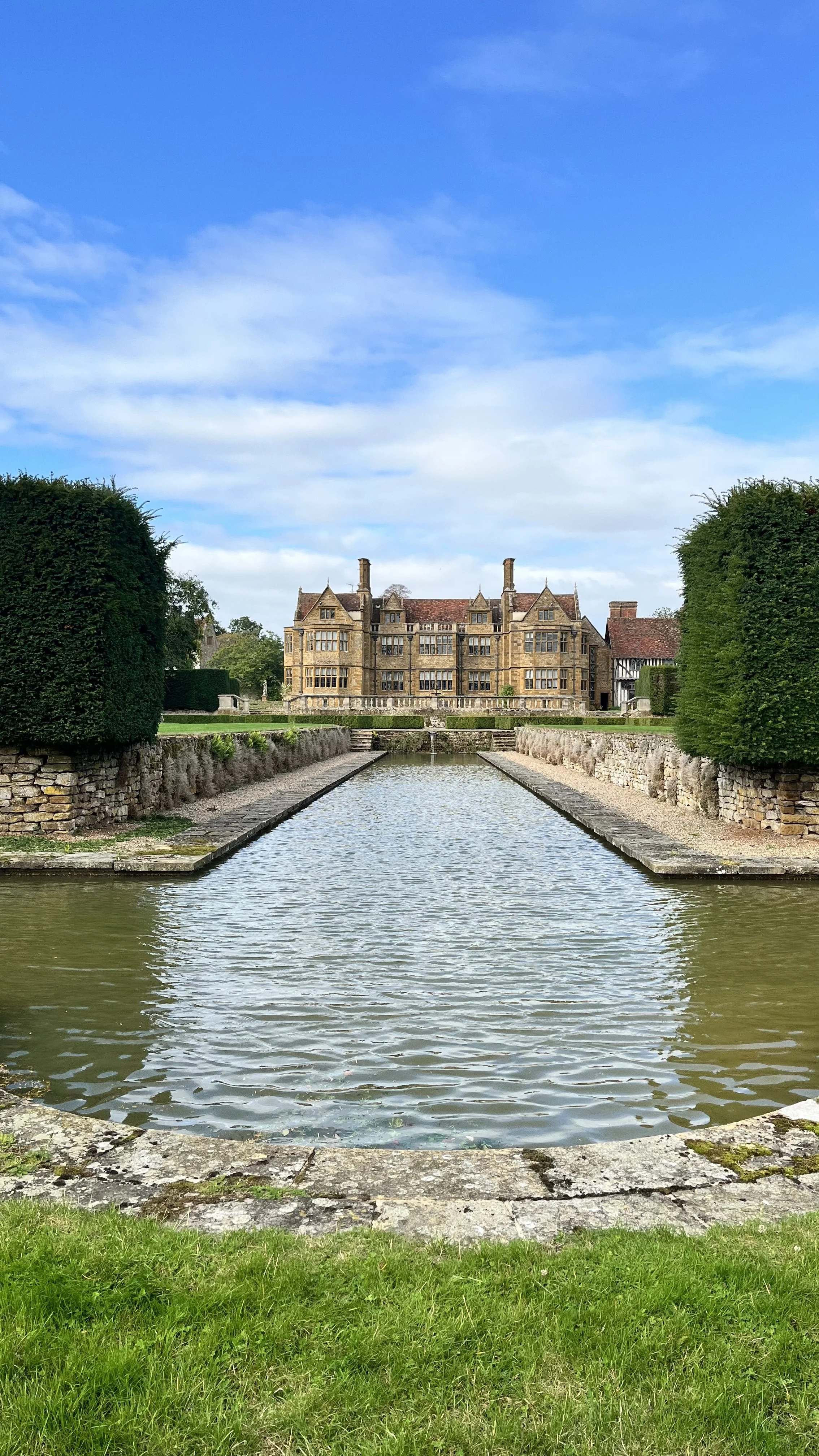
Situated just outside the City of Durham, Brancepeth Castle’s history goes back to the Normans. It is now home to three generations of the Dobson family.
Brancepeth Castle
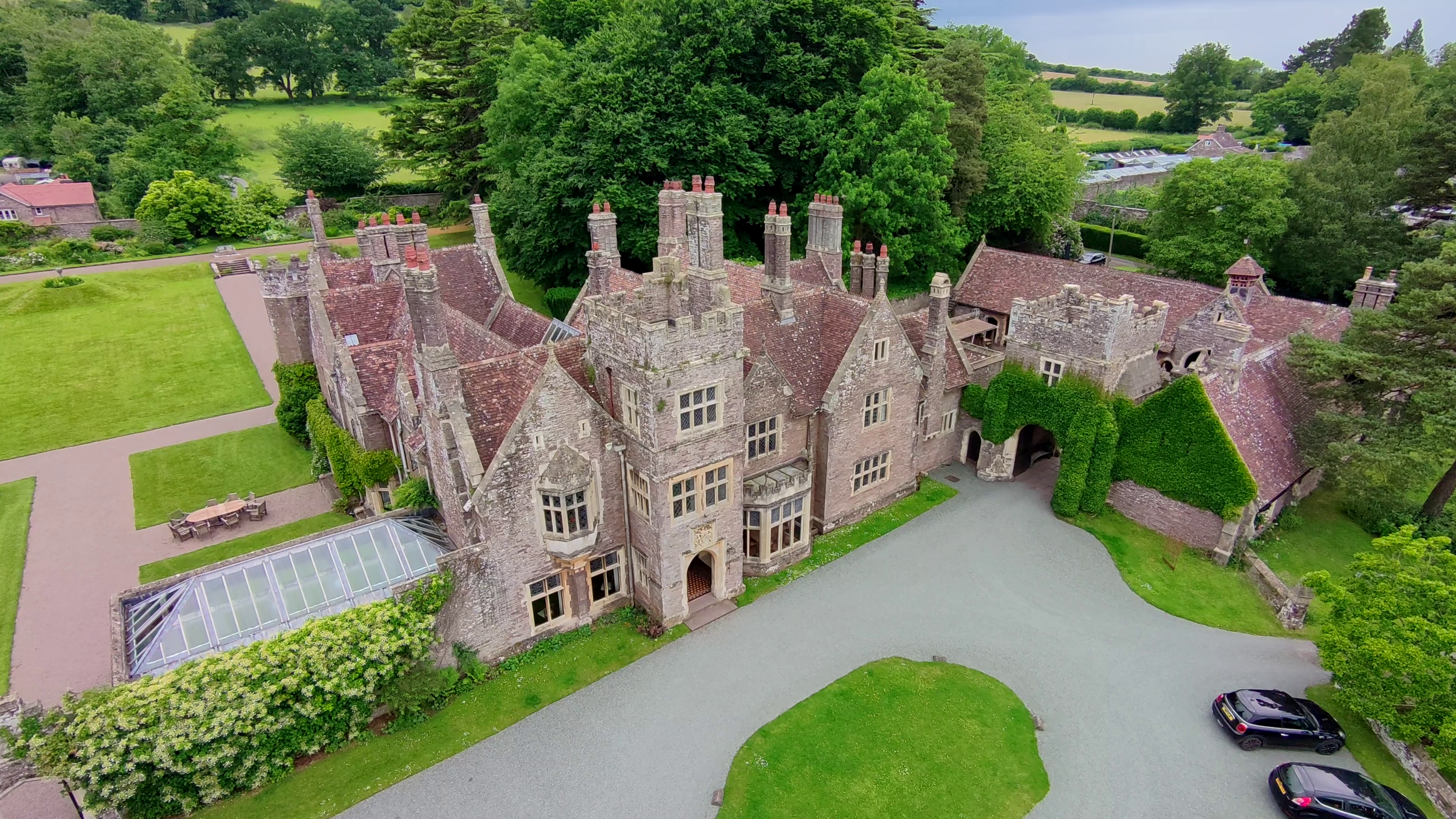
Treberfydd House
Located in the Brecon Beacons in Wales, Treberfydd has been home to the Raikes family since it was built in 1852. The Grade 1 listed gothic revival house sits within 10 acres of gardens and is owned by Sally and Hugh Martineau.
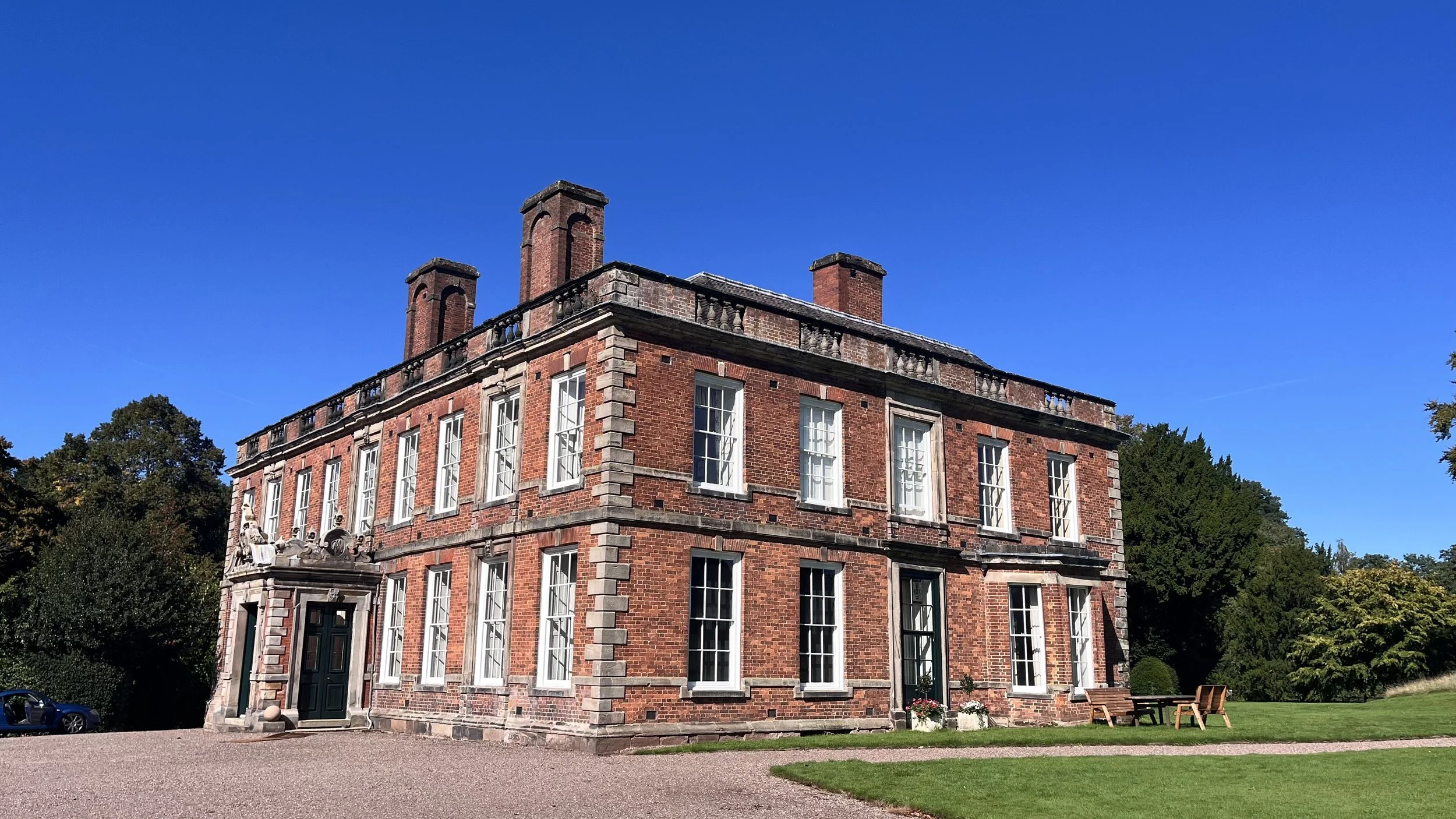
Whitmore Hall
Whitmore has been home to the Cavenagh-Mainwaring family for over 900 years, making it one of the few estates in the country to remain in the same lineage since the Domesday Book of 1086.
Ashby Manor House
In 1605 Robert Catesby and his fellow Gunpowder Plot conspirators gathered in Ashby Manor’s gatehouse. This historic Northamptonshire estate and house is now home to Nova Guest and her family.
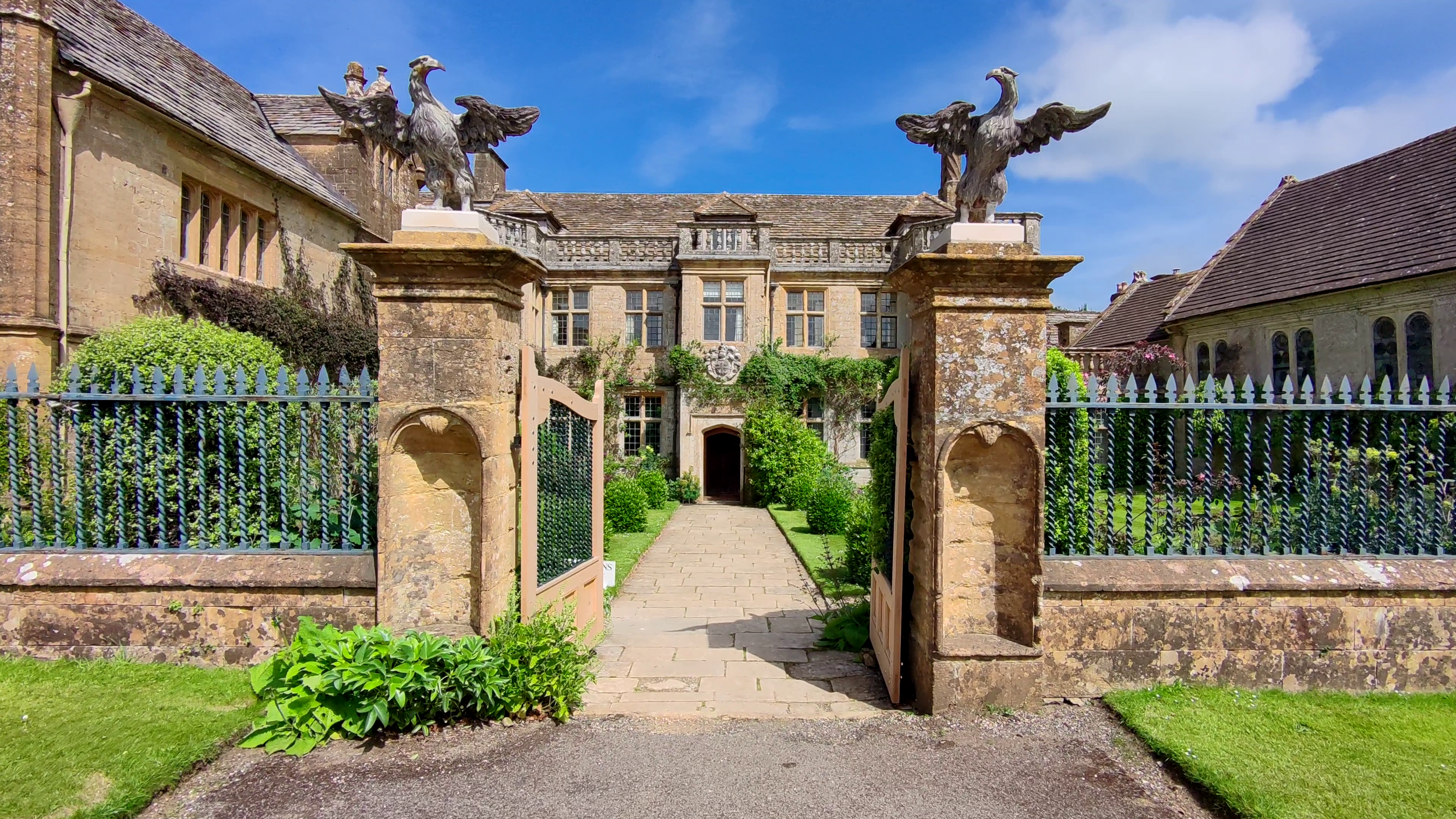
Mapperton
Owned by Luke and Julie Montagu, Earl and Countess of Sandwich, Mapperton is delightfully situated in rolling Dorset countryside. The estate is particularly famous for its glorious gardens.
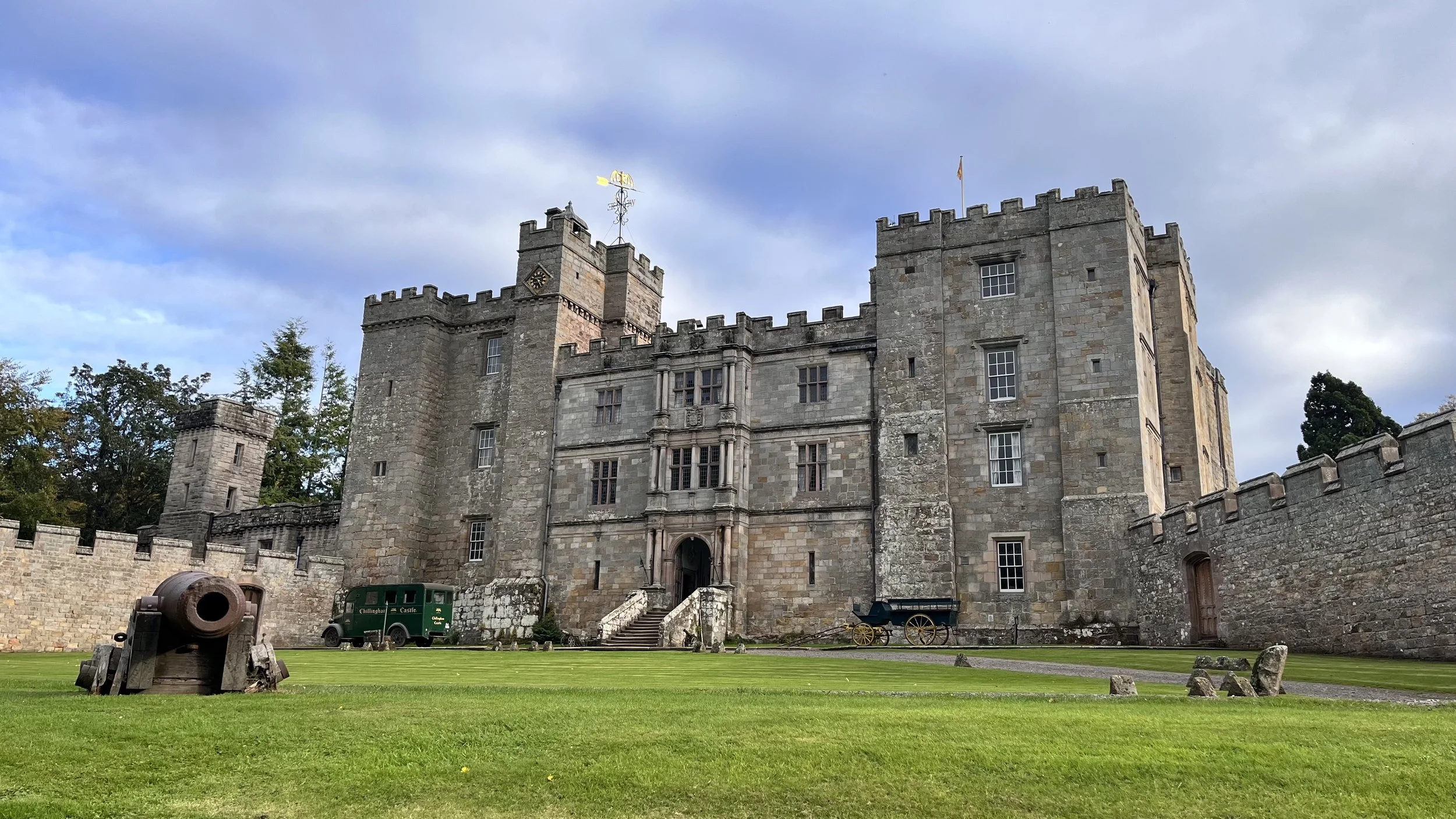
Chillingham Castle
A thirteenth century fortress Chillingham Castle has been meticulously restored over the last forty years by Sir Humphrey Wakefield. It also lays claim to be Britain’s most haunted historic castle.